
Global non-ferrous scrap recycling is facing a more complex market environment. Trade delays, regional supply pressure, export policy discussions, and stronger quality requirements are changing how recycling companies manage valuable scrap streams. For recycling plants, the challenge is not only finding material. It is also recovering cleaner, higher-value materials from the scrap they already process.
Non-ferrous metals such as aluminum, copper, brass, zinc, and stainless steel are widely used in packaging, automotive production, construction, transportation, electronics, appliances, and industrial manufacturing. As demand for recycled materials continues to grow, recycling plants need more stable sorting systems to reduce material loss and improve recovered product quality.
This trend is especially important for complex recycling streams such as Zorba, ASR, UBC, IBA, plastic recycling, GLASS RECYCLING, and mixed scrap processing. These materials often contain valuable metals mixed with plastics, rubber, glass, ash, wires, paper, foam, dust, and other contaminants. If the process is not properly designed, valuable metals may remain in residue or recovered products may contain too much contamination.
Why Non-Ferrous Scrap Sorting Matters
Non-ferrous scrap usually has higher material value than many other recovered materials, but it is rarely clean when it enters a recycling plant. Zorba material may contain aluminum, copper, brass, zinc, stainless steel, plastics, rubber, wires, and non-metallic residue. ASR may contain recoverable metals hidden inside plastics, foam, rubber, glass, and mixed residue. UBC streams may contain aluminum cans mixed with steel cans, plastic bottles, paper, labels, caps, and other packaging waste.
IBA material can contain small aluminum and other conductive metals mixed with ash, glass, ceramics, and mineral residue. Plastic recycling streams may contain aluminum rings, caps, wires, screws, and small metal pieces that can damage downstream equipment. GLASS RECYCLING streams may contain aluminum caps, steel caps, iron pieces, and other metal contaminants that reduce material quality.
For all these applications, better sorting can help recycling plants recover more value from existing material streams. A more stable process can reduce contamination, improve product consistency, protect downstream equipment, and support higher-value sales.
Quality Requirements Are Becoming More Important
In many recycling markets, buyers are paying closer attention to material quality. A recovered product with high contamination may face lower pricing, additional processing costs, or rejection by downstream buyers. This is especially important when scrap markets are volatile and regional supply chains become more selective about the material they purchase.
For recycling plants, this means the value of a sorting line is not only measured by throughput. It should also be measured by recovery rate, product cleanliness, process stability, and long-term operating value. A system that helps reduce metal loss and improve final product quality can support stronger competitiveness in changing market conditions.
Complete Process Design Is More Effective Than One Machine
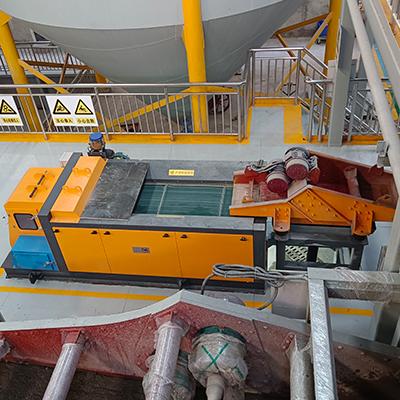
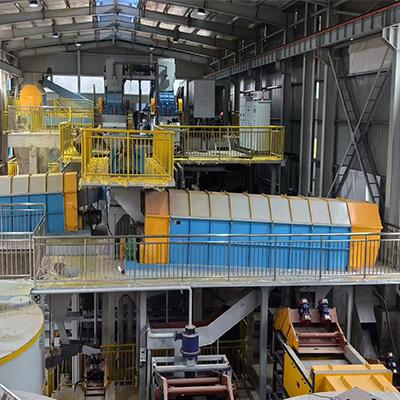
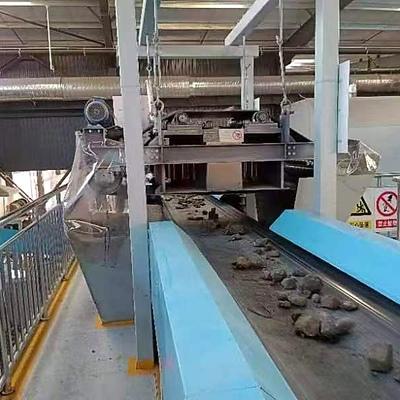
Non-ferrous metal recovery usually requires a complete process, not only a single machine. Material preparation, size control, ferrous metal removal, non-ferrous metal recovery, final upgrading, feeding stability, conveyors, platforms, and control systems may all affect the final result.
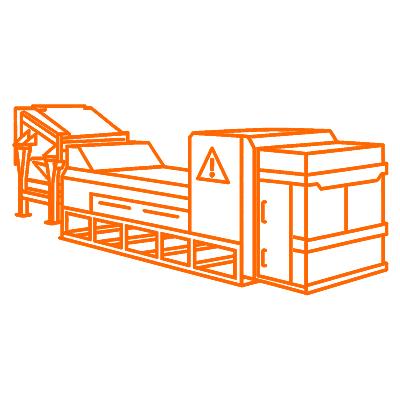
Material size classification helps divide mixed materials into suitable fractions and creates a more stable feed. Ferrous metal removal helps reduce contamination and prepares the material for non-ferrous recovery. Non-ferrous recovery equipment can separate aluminum and other conductive metals from plastics, rubber, glass, ash, and light residue. Intelligent sorting or manual quality control can be added when the customer needs higher final product quality.
The best configuration depends on real material conditions. Material composition, capacity, material size range, moisture level, contamination level, plant space, feeding speed, and target output quality all affect process design. This is why recycling plants should evaluate their own material before confirming equipment selection.
Applications for Different Recycling Streams
For ZORBA RECYCLING, a suitable sorting process can help recover aluminum-rich products and reduce contamination from plastics, rubber, wires, and mixed residue.
For ASR recycling, complete process design can help recover valuable metals from auto shredder residue and reduce metal loss in complex residual streams.
For UBC recycling, aluminum can recovery depends on removing steel cans, light packaging waste, plastics, paper, and other contaminants.
For IBA RECYCLING, metal recovery from incinerator bottom ash can help recover aluminum and other conductive metals from ash, glass, ceramics, and mineral residue.
For plastic recycling, metal removal helps protect crushers, washing lines, extrusion equipment, and pelletizing systems while improving recycled plastic quality.
For glass recycling, metal removal helps reduce aluminum caps, steel caps, iron pieces, and small metal contaminants from glass cullet and mixed glass streams.
For mixed scrap processing, a customized sorting line can help recover more valuable materials from complex and changing feed streams.
CurrenTek Sorting Solutions for Global Recycling Projects
CurrenTek provides recycling sorting solutions for global customers processing non-ferrous scrap and complex recycling materials. Our systems can support material preparation, ferrous metal removal, aluminum recovery, non-ferrous metal recovery, final upgrading, conveyors, platforms, and complete sorting line configurations.
Instead of only supplying a single machine, CurrenTek can recommend a practical equipment combination according to material type, capacity, material size range, contamination level, plant layout, and recovery target.
Our goal is to help recycling plants recover more valuable metals, reduce contamination, improve recovered product quality, reduce material loss, and create higher recovery value from existing scrap streams.
If you are processing Zorba, ASR, UBC, IBA, plastic, glass, aluminum-rich scrap, or mixed scrap, contact CurrenTek to discuss your material condition and project requirement. Our team can help recommend a suitable sorting solution for your recycling plant.
